

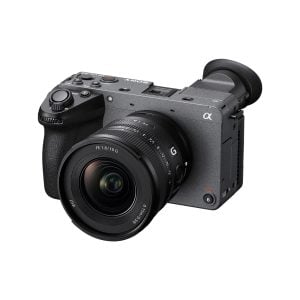
















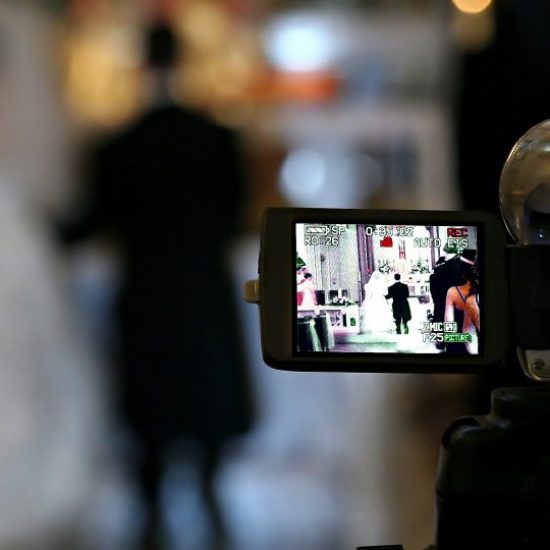
When you’re videotaping a wedding you’re generally either doing it as a friend or professional who’s been entrusted to shoot the official wedding video or as a guest who happened to bring along a video camera.
If you’re not shooting the official wedding video stay out of the way of the person who is. The bride and groom likely paid a lot of money to hire this professional, and he or she should always be given priority in setting up the best shot and getting the best angle of the events.
If you step in front of the hired videographer to get a good shot of the vows, you’re actually ruining the wedding video that the bride and groom paid for. No one will be happy with you, no matter how good your video looks.
Have Extra Tapes & Batteries
You’ll need plenty of space on your flash drive, depending on the length of the day. You’ll also need an extra battery or two, as just one probably won’t last you through the whole day. If you don’t have enough batteries be sure to bring your charger so that you can recharge the batteries during downtime. No one wants half a wedding video!
Make Audio a Priority
The bride and groom might forgive a bit of grainy footage from the evening party but they will hate you forever if you mess up their wedding vows on video. Making sure that you’ve fully understood the fundamentals of capturing great audio will reduce risk and also help produce some great wedding films.
We’d always recommend the amazing Rode microphones whether you’re in a run and gun type situation (get a videomic pro+) or if you’ve strapped your subjects up with a lavalier mic (RodeLink Filmmaker kit). These are great mics.
From experience we’d always suggest recording audio using a second device (something like a ZOOM H4N or Tascam) just in case you run into any issues, you’ll always have a backup.
Use a Lapel Mic
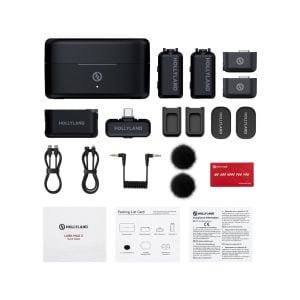
Without a lapel microphone for the groom, you probably won’t be able to hear the audio for the vows. Ideally, you’ll have a wireless microphone which can hook into your camera. However, these are expensive, so you may not be able to afford one (especially if you’re not getting paid for your work!).
As an alternative, you can buy a digital recorder (or transform your iPod into a digital recorder) and wire a lapel mic into that. You’ll have to synch the audio and video while editing.
Know the Schedule
Talk to the couple ahead of time to find out the schedule for the wedding. That way you’ll be able to anticipate the action and won’t find yourself in the wrong spot at a crucial moment or missing an important event that you should be videotaping.
Ideally, you’ll be able to attend the wedding rehearsal. This will give you a chance to find the best place to set up your camera. You’ll also have an opportunity to find out if there are any restrictions at the ceremony site. Many churches have rules about where videographers can stand, whether you can move around, and about the use of lights.
If you weren’t at the rehearsal grab a copy of the program so that you can figure out what’s going to be happening during the ceremony.
Talk to the Guests (or Leave Them Alone)
Some wedding guests are vocal and want to say something to the camera. Some are camera shy and want to be left alone. If that’s the case, respect their wishes.
Light the Scene
Thanks to new, better quality digital camcorders, gone are the days when wedding videographers needed to set up large, 1000 watt lights. Still, though, you may need some extra light to get good footage during a wedding. A small, 50-watt light mounted on the top of your camera will light the scene without blinding guests or breaking your budget.
Get B-roll Coverage
Getting B-roll coverage doesn’t mean you’ve got to hire a second shooter. In fact, many wedding videographers who can’t afford to have a second shooter tend to just invest in a second (less expensive) camera and tripod. You could leave it on a wide shot whilst you focused on close ups or alternatively have the B-roll camera zoomed in on your subjects to ensure that you’re recording all of their reactions.
Note: It is worth checking your B-roll camera regularly to make sure that it is still framed up nicely, the batteries aren’t dead, there’s sufficient storage space and that you did actually hit record.
Attend the Rehearsal
Attending the rehearsal is a great way of mentally storyboarding the important moments and is also a great opportunity to further consult with the bride and groom. Being able to rehearse also gives you a good sense of where you can set up your lighting and second camera.
Also, familiarising yourself with the location and schedule will help you save time on the day of their big day and allow you to shoot more productively.
Credit: lifewire.com